Discipleship

Welcoming is just the beginning. Discipleship is what transforms.

Continuity

Assimilation cares for the person who arrives. Discipleship cares for the person who stays.

When assimilation ends, the care does not have to end with it. Discipleship follows the walk of everyone in the small group, including people who were already there and never went through assimilation at all.

célula.in discipleship illustration of two people meeting over coffee

Nobody walking alone

In cell group planning, the leader arranges who disciples each participant.

One screen shows who is being followed and who is walking alone. It is not a report to hold anyone to account later. It is the list of people who still have nobody beside them.

célula.in discipleship illustration of two people connected on their phones

An area of their own

Whoever disciples someone gets a dedicated area in the app, and it appears only for people who actually have someone in their care. Every meeting is logged with a date, a subject, and notes, building the history of that walk.

Inside the app, what was written there belongs to whoever wrote it. The notes of a meeting are not read by the leader, by the supervisor, or by church administrators.

célula.in discipleship illustration of one person connected to two others

Who may disciple

The rule belongs to the church, not to each leader. You decide who is allowed to disciple, and that decision applies to every group.

There are three options, and they can be combined: church members, the group team — the participants a leader marked as organizers in cell group planning — or every participant.

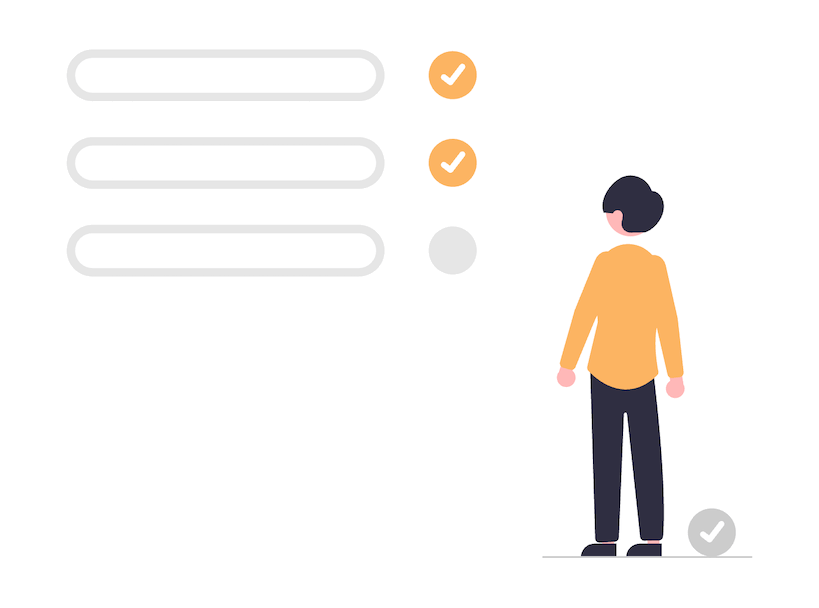
célula.in discipleship illustration of a person beside a list of three options, two of them selected

FAQs

Assimilation takes care of the beginning, of the person who has just arrived, and it ends once that person settles in. Discipleship is the care that continues afterwards, inside the small group, and it also reaches people who were already in the church and never went through assimilation. One does not replace the other. See how assimilation works.

The group leader does, within what the church allowed. The church decides whether church members, the group team, or every participant may disciple, and from there the leader arranges the pairs in cell group planning.

The date, the subject, and the notes written by whoever led it. That is the history of that person's walk, and it stays available to consult even after the follow-up has ended.

No. The notes of a meeting appear only to the person who recorded them. What cell group planning shows is something else: who already has a discipler and who does not. The conversation stays between the two people.